TOPICS

Advocating for Inclusive Development
Club de Madrid calls attention to the importance of ensuring that the voices of marginalized groups are heard in post-COVID recovery and global efforts to get back on the path of the 2030 Agenda.
Environmental Defenders Rights
LEAD – the Leaders Network for Environmental Activists and Defenders – is an initiative created by and for defenders, aiming to ensure their recognition, protection, and full participation in global climate, development, and human rights discussions.

Inclusive Economies
Club de Madrid will advocate for a stronger focus on economic inclusion programmes specifically targeting minorities
Political Voices for Inclusion
Club de Madrid encourages up-and-coming leaders to embrace a commitment to Shared Societies. By engaging in inter-generational policy dialogues, we not only inspire young people to be inclusive, but also make them feel included.

Protecting Shared Societies in the Digital Space
We work to promote innovative practices that political leaders can use to foster a more inclusive discourse –to fill social media with powerful messages calling for inclusion and social cohesion

Shared Societies & Migration
Political leaders must be the sounding board of a comprehensive political discourse on migration. It is therefore crucial to equip them with tools and resources to understand the importance and impact of their narrative in shaping public perceptions on migration.
SSP Good Practices Guide
Examples of policies and practices which promote social inclusion of the most vulnerable groups around the World
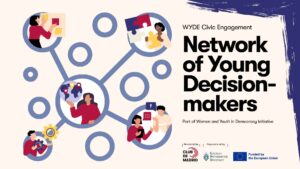
Wyde Network of Young Decision-makers
WYDE Civic Engagement Network of Young Decision-Makers brings together a group of exceptional young leaders under 36 years old who are active in politics and in decision-making bodies and who have already reached positions of influence from which they can advocate for greater youth political participation.
ACTIONS
-
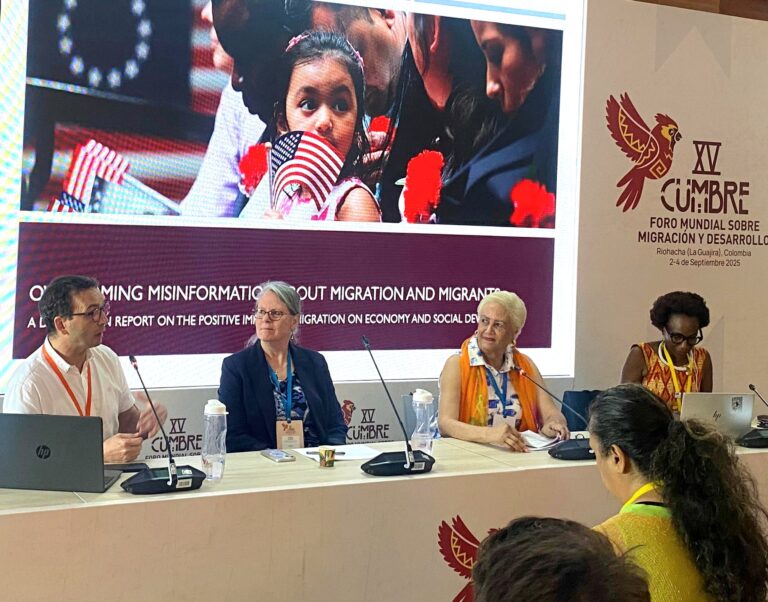
16 September, 2025
Club de Madrid at the Summit of the Global Forum on Migration and Development
-
16 September, 2025
Overcoming Misinformation about Migration and Migrants: a Data-driven Report on the Positive Impact of Migration on the Economy and Social Development
-
14 June, 2023
First Meeting of the Network of Young Decision-Makers
-
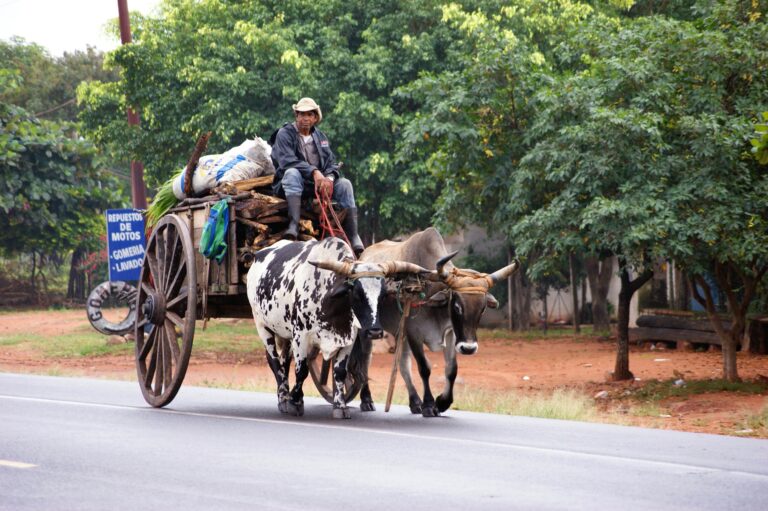
24 February, 2022
Objetivos de Desarrollo Sostenible en Paraguay – Sustainable Development Goals in Paraguay
-
13 January, 2021
Live Session: Leaving No One Behind: The Role of Parliamentarians
-

17 December, 2020
International Migrants Day 2020: Inclusive policy and positive discourse on migration
-
21 October, 2020
Club de Madrid President and Vice-president articulate a vision for building Shared Societies through transforming our democracies and the multilateral framework
-
6 October, 2020
Club de Madrid Members announce principles on equity during global crises
-
14 September, 2020
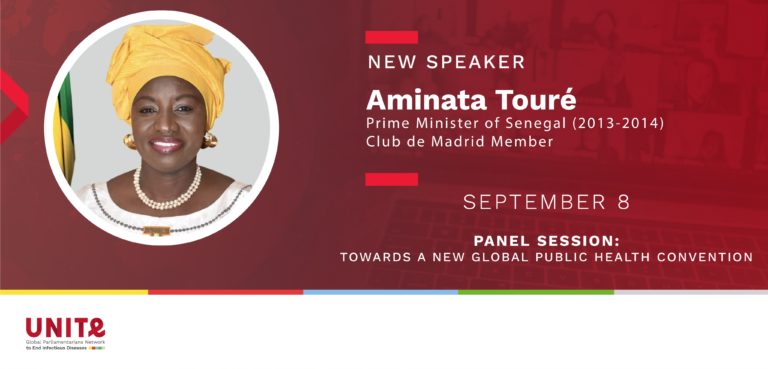
Prime Minister Touré calls for a balanced approach to rebuilding global system to respond to pandemics
-
9 August, 2020
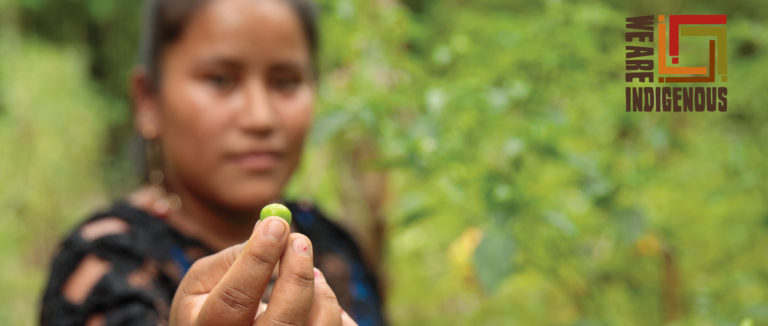
Our statement for the International Day of the World’s Indigenous Peoples 2020
-

23 July, 2020
Live Session: Movilidad en tiempos de crisis – La pandemia del COVID-19 como oportunidad para repensar las migraciones en América Latina
-
25 June, 2020
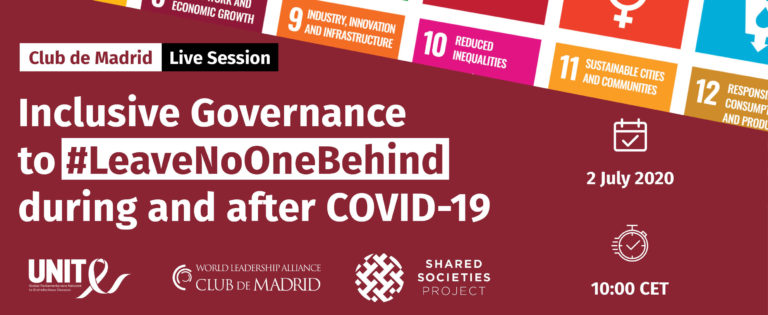
Live Session: Inclusive Governance to #LeaveNoOneBehind during and after COVID-19
-
24 March, 2020
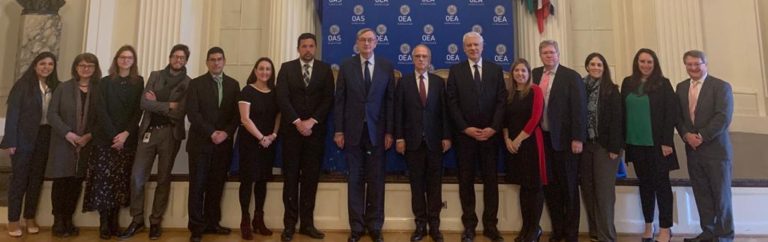
Türk and Tadic support regional efforts to address Latin America’s shifting migration flows
-

3 February, 2020
Carl Bildt: “The outcome of technological conflicts will shape the future”
-
3 February, 2020
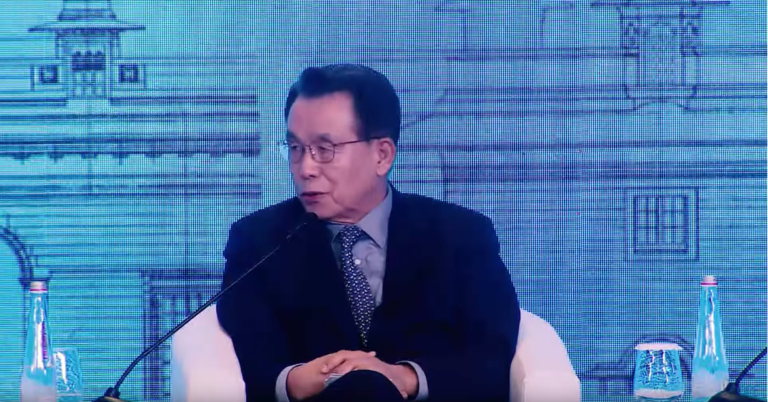
Han Seung-soo: “We need a paradigm shift in our growth models”
-
3 February, 2020
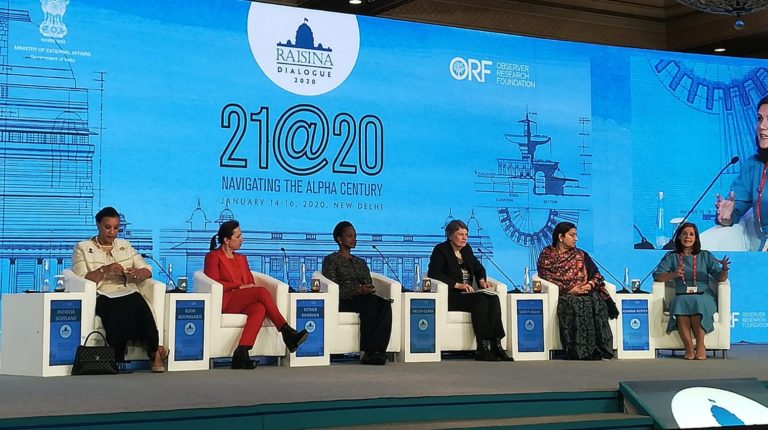
Helen Clark sounds the alarm bell on sustainable development and climate change
-
3 February, 2020
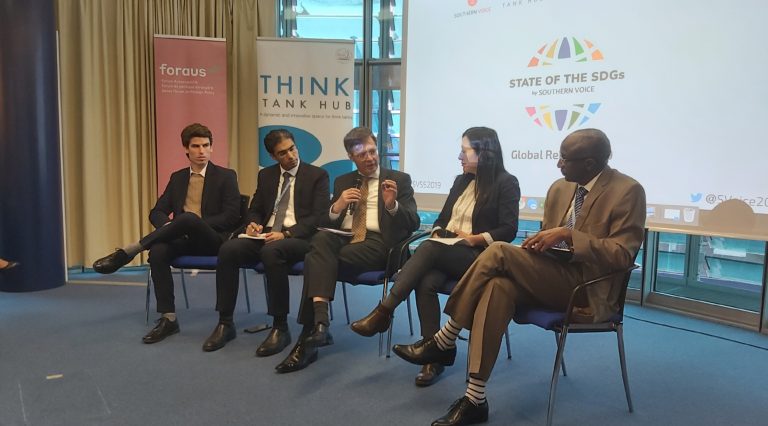
Jan Peter Balkenende: “The private sector needs to be engaged in sustainability”
-

15 November, 2019
Club de Madrid explores how political leadership can redefine migration discourse with Dominican Migration Institute
-
14 August, 2019
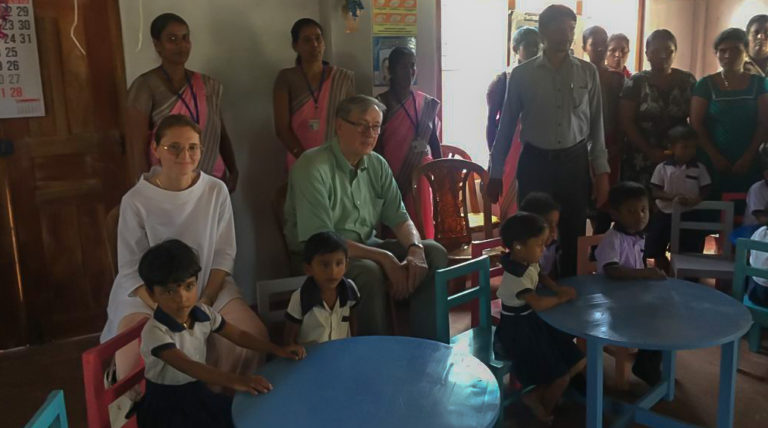
How Club de Madrid can contribute to achieving the SDGs in Sri Lanka
-
18 July, 2019
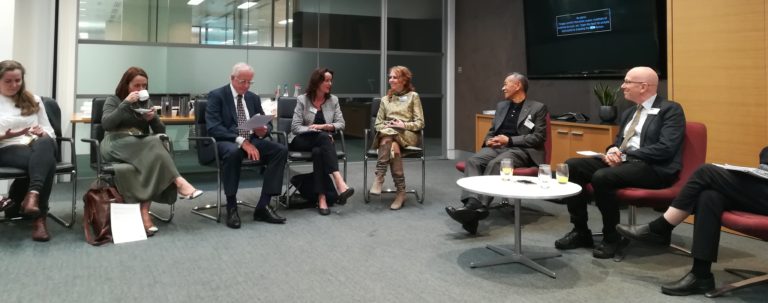
Thinley calls on including all in economic policy-making
-
24 June, 2019
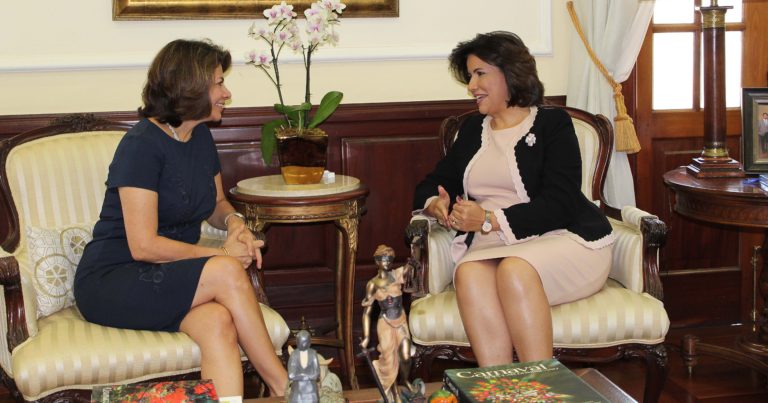
Laura Chinchilla advocates for inclusive migration in Dominican Republic
-

8 May, 2019
Yves Leterme: “The European welfare system has been able to deliver inclusive policies and tackle inequality”
-
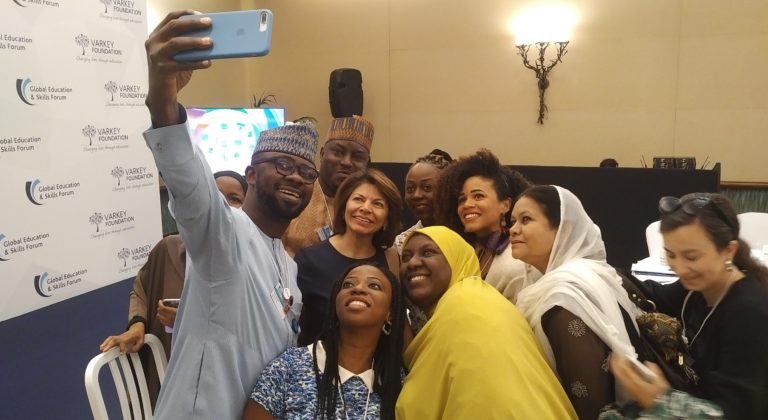
25 March, 2019
Laura Chinchilla debates inclusive education with young changemakers from Malala Fund
-
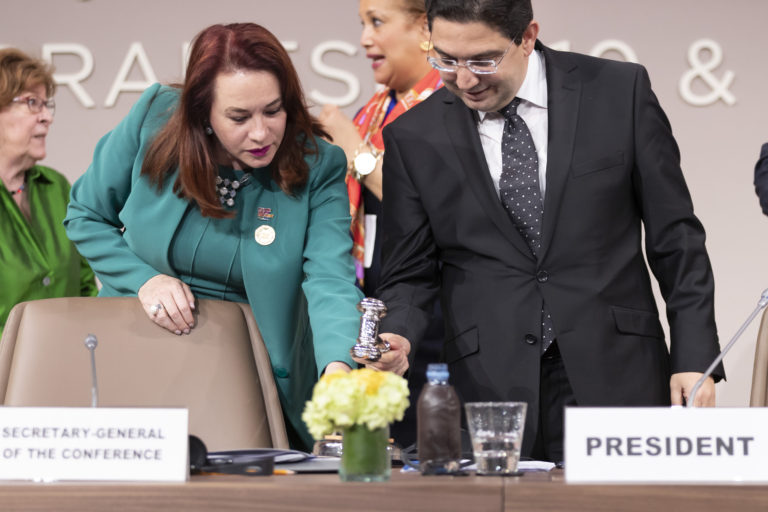
21 December, 2018
Club de Madrid at UN Intergovernmental Conference to Adopt the Global Compact for Safe, Orderly and Regular Migration
-

16 July, 2018
Shared Societies presented as tool to counteract fears over globalisation at Symi Symposium
-
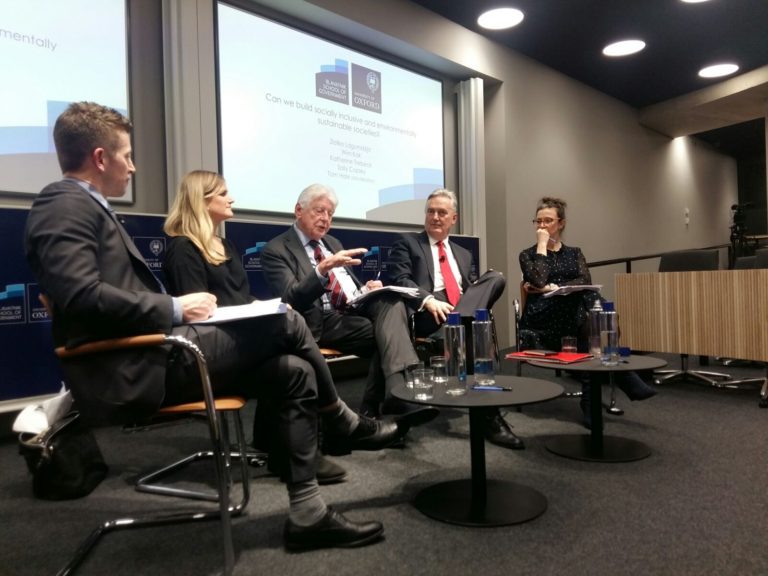
5 March, 2018
Club de Madrid Members Kok and Lagumdzija advocate for inclusive societies in London and Oxford
PUBLICATIONS
-
Club de Madrid and the Leir Institute highlights migration’s role in addressing demographic decline, boosting innovation, and fostering social cohesion. It calls for safe pathways for migrants and reframes migration as a driver of shared prosperity and inclusive democracies.
View PDF -
Rightwing populist parties (RWPP) are driving democratic backsliding across
wealthy democracies by exploiting antiimmigrant sentiment, yet evidence shows
that copying their exclusionary rhetoric fails electorally and further erodes liberal
norms. This brief argues that the true antidote lies in robust immigrant inclusion.
Countries with comprehensive, coherent integration policies—measured by
indices like MIPEX—consistently report lower xenophobia and weaker farright
votes. On balance, studies find that inclusion fosters everyday contact, shrinks
perceived threat, and sets off a virtuous cycle in which tolerant attitudes
reinforce prodemocratic governance. Mainstream parties should therefore pair
humane border management with a suite of integration policies that expand the
parameters of belonging and address broader qualityoflife concerns, thereby
undercutting RWPP mobilization and fortifying democracy for all.
View PDF -
This brief explores the global use of complementary or safe pathways to resettle
migrant populations, including those potentially eligible for refugee protections,
and makes recommendations for best practices according to existing data and
various example programs. It does so while accounting for mixed migrationacross all categories. These are grouped into (1) humanitarian protections that
are available en route or on a shorter time horizon, and (2) non-humanitarian
pathways which include three of the four umbrella areas of safe
pathways—education, labor, and family reunification—as well as regularization
and general recommendations.
View PDF -
This brief explores how migration impacts macroeconomic growth, innovation,
and tax revenue. It also surveys migrant entrepreneurship trends and the
impact of remittances on origin countries. The brief argues that immigration can
be an advantage for recipient countries. However, this depends on (1) how
countries navigate short-term political pressures in favor of long-term economic
benefits; (2) insulating migration policies from electorally driven discourse; and
(3) communicating the benefits of migration through a pragmatic, data-driven
approach.
View PDF -
Within the next ten years, deaths will surpass births across the OECD, ushering
in a century of shrinking populations and rising oldage dependency ratios;
without sizable immigration, labor shortages, slower growth and mounting
pension costs are inevitable. Yet the scale of immigration required to maintain
today’s growth and pension promises is politically unlikely and risks “brain drain”
from sending countries. Immigration therefore cannot singlehandedly solve
demographic decline, but it can meaningfully ease fiscal pressure when paired
with productivity gains, healthier ageing, and inclusive labormarket policies that
raise participation across all age groups. Policymakers must weigh these
tradeoffs now, designing immigration and complementary economic strategies
that balance domestic needs with global equity as the world navigates an
unprecedented era of demographic divergence.
View PDF -
By 2023, Nepal has made notable progress on the SDGs, particularly in reducing poverty and improving health, education, and infrastructure. However, significant challenges remain, including persistent inequality, gaps in data, and COVID-19 impacts, which disproportionately affect marginalized groups.
View PDF -
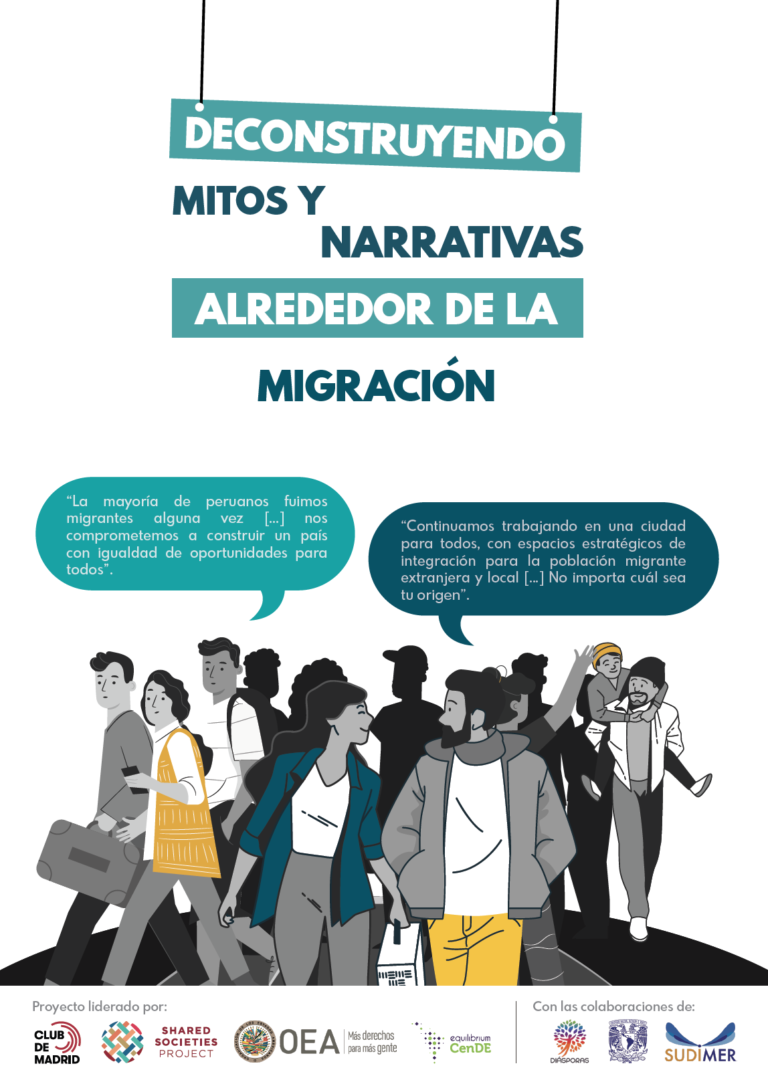
Deconstruyendo mitos y narrativas alrededor de la migración: Análisis y recomendaciones a partir de las experiencias de Colombia, México y Perú
View PDF -
Shared Societies Project of the Club de Madrid in collaboration with with Ashanti Peru on legislation and policies against racism and discrimination in Latin America and the Caribbean
View PDF -
There is no better or more inclusive forum than the United Nations to evoke such a commitment and to elevate social development in the international agenda
View PDF -
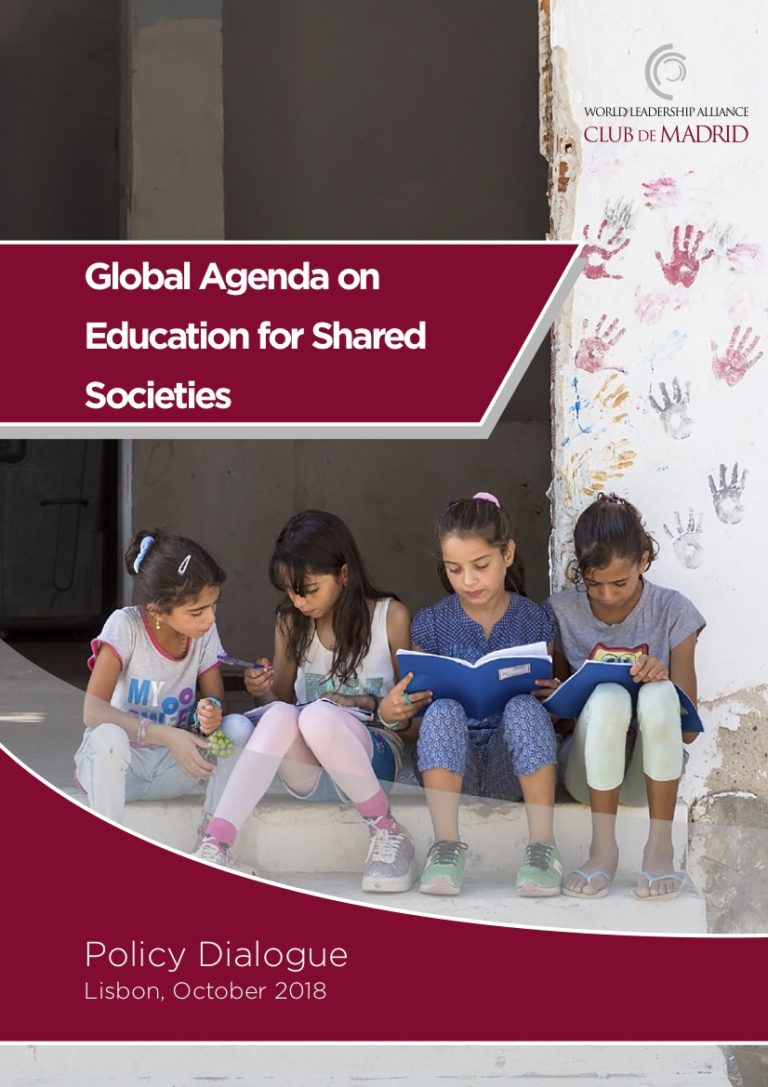
The ‘Global Agenda on Education for Shared Societies’ is the result of our 2018 Policy Dialogue held in Lisbon (Portugal) on inclusive education.
View PDF -
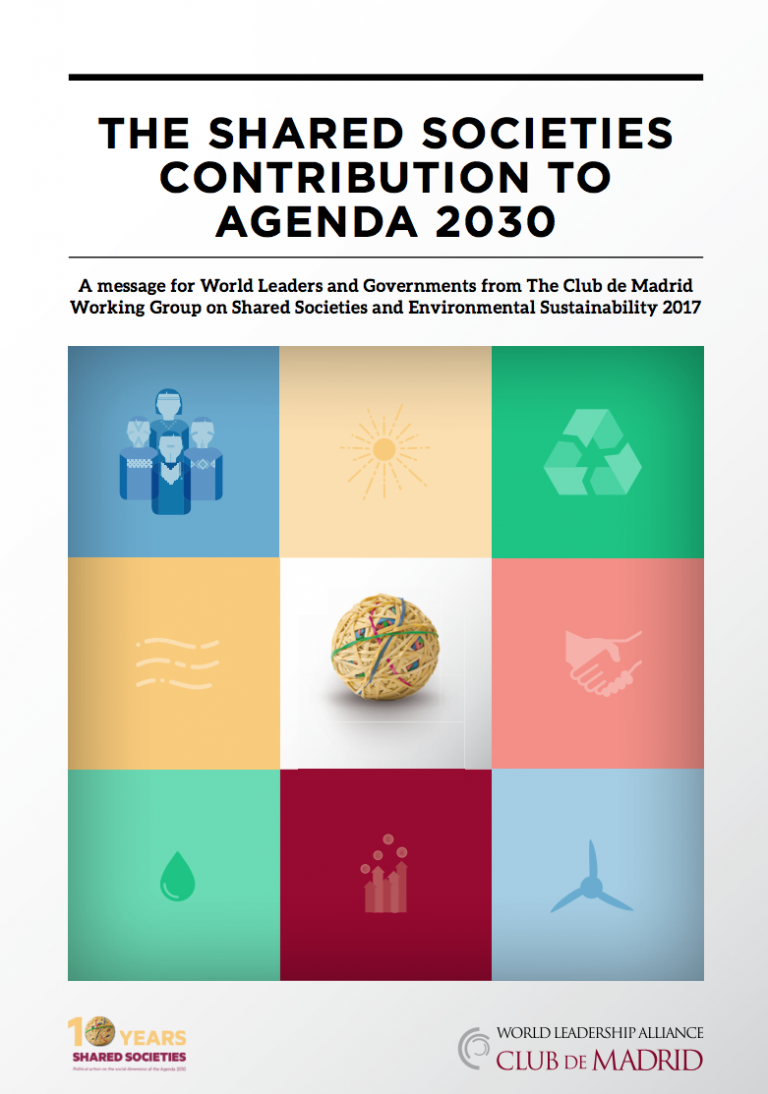
Key insights of Club de Madrid Working Group on Shared Societies and Environmental Sustainability
View PDF -
Absence of women in leadership curtails both their ability to fight discrimination within their groups
View PDF -
Analysis of Europe and Latin America based on the work done in the Shared Societies project
View PDF -
Social cohesion and respect towards diversity on the base of democratic values and intercultural coexistence
View PDF